Jak odlepit zubní náhradu bez poškození a bez bolesti
Zjistěte, jak odlepit zubní náhradu bez poškození a bolesti. Správné metody, co neudělat a jak předcházet přilepení. Praktické rady pro každodenní život.
Přečtěte si podrobnostiWhen you lose one or more teeth, your mouth doesn’t just change in appearance — it changes in function. A zubní protéza, náhrada chybějících zubů, která obnovuje funkci a estetiku. Also known as zubní náhrada, it restores your ability to chew, speak clearly, and smile without hesitation. Many people think a protéza is just a temporary fix, but modern designs are durable, comfortable, and can last for years with proper care.
There are two main types: částečná protéza, náhrada několika chybějících zubů, která se upevňuje k sousedním zubům and úplná protéza, náhrada všech zubů v jedné čelisti. The choice depends on how many teeth you’ve lost and the condition of your remaining ones. If you still have healthy teeth nearby, a partial can be anchored to them. If you’ve lost everything, a full denture sits on your gums and relies on suction or adhesive. But here’s the thing — a protéza doesn’t stop bone loss. That’s why many now choose implantát, kovový šroub v čelisti, který slouží jako kořen pro náhradu zubu — it keeps your jawbone strong and gives you a more natural feel.
People often worry about comfort. Will it slip? Will it hurt? Will it look fake? Modern materials like acrylic and flexible resins make today’s protézy much lighter and more natural-looking than older versions. Still, it takes time to adjust. You’ll need to practice eating soft foods, speak slowly, and clean the protéza every night. Neglecting hygiene leads to zubní plak, vrstva bakterií, která se hromadí na protéze a způsobuje zápach a záněty — and that can irritate your gums and even cause infections.
You’ll also need to visit your dentist regularly. Even if you have no natural teeth left, check-ups are crucial. The dentist checks the fit, looks for sores, and makes sure your jawbone hasn’t shrunk too much. A poorly fitting protéza doesn’t just hurt — it can change your facial shape over time. And if you’re considering a protéza because you lost teeth to decay or gum disease, you need to fix the root cause. Otherwise, the same problem might return.
Some think a protéza is the cheapest option — and it often is upfront. But over time, if it needs frequent adjustments, relines, or replacements, the cost can add up. That’s why many now compare it to zubní korunka, náhrada jednoho zubu, která se připevňuje na přirozený zub nebo implantát or an implant. A single crown might cost more than a partial denture, but it lasts longer and doesn’t affect neighboring teeth.
So what’s the best choice for you? It depends on your budget, your oral health, and how much you value comfort and stability. A protéza isn’t a failure — it’s a solution. Millions of people live full, happy lives with them. But it’s not the only solution. That’s why we’ve collected real stories, cost breakdowns, care tips, and comparisons between protézy, crowns, and implants — so you can decide without guesswork.
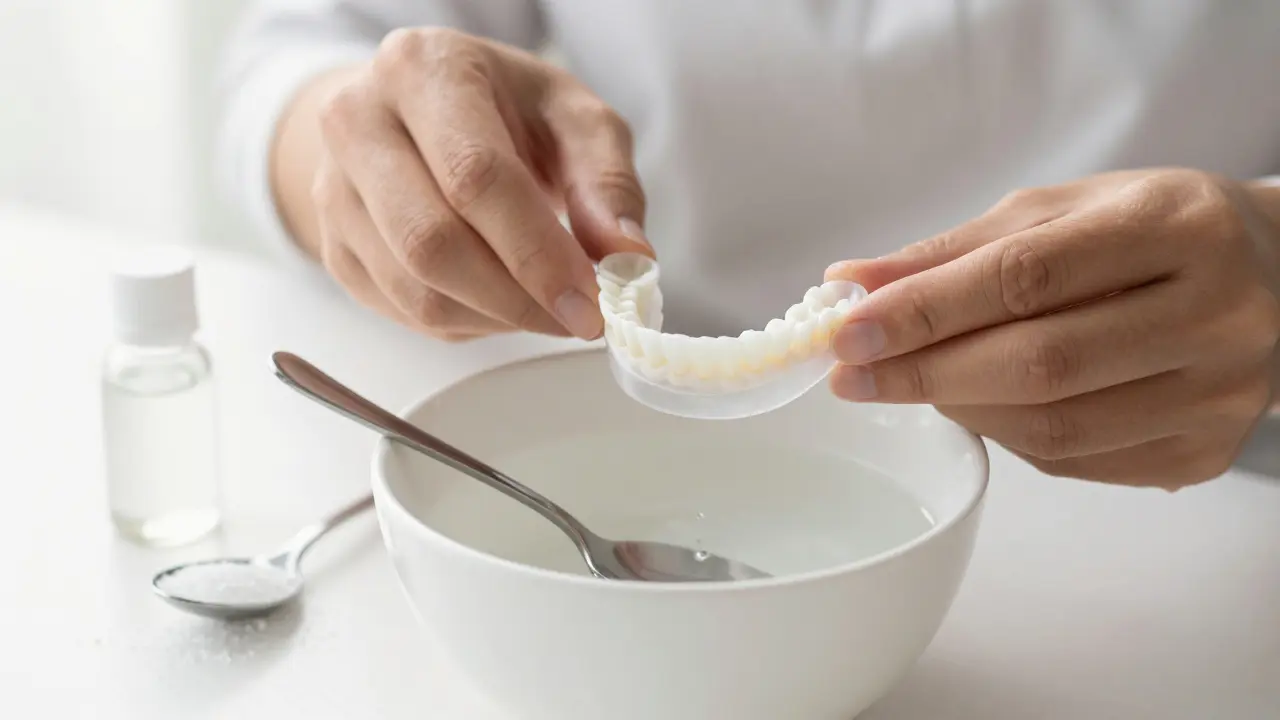
Zjistěte, jak odlepit zubní náhradu bez poškození a bolesti. Správné metody, co neudělat a jak předcházet přilepení. Praktické rady pro každodenní život.
Přečtěte si podrobnosti
Naučte se správně nasazovat, čistit a udržovat nasazovací zuby, aby vám nebolely, neklouzaly a sloužily dlouho. Praktické rady pro každodenní používání a jak vyhnout běžným chybám.
Přečtěte si podrobnosti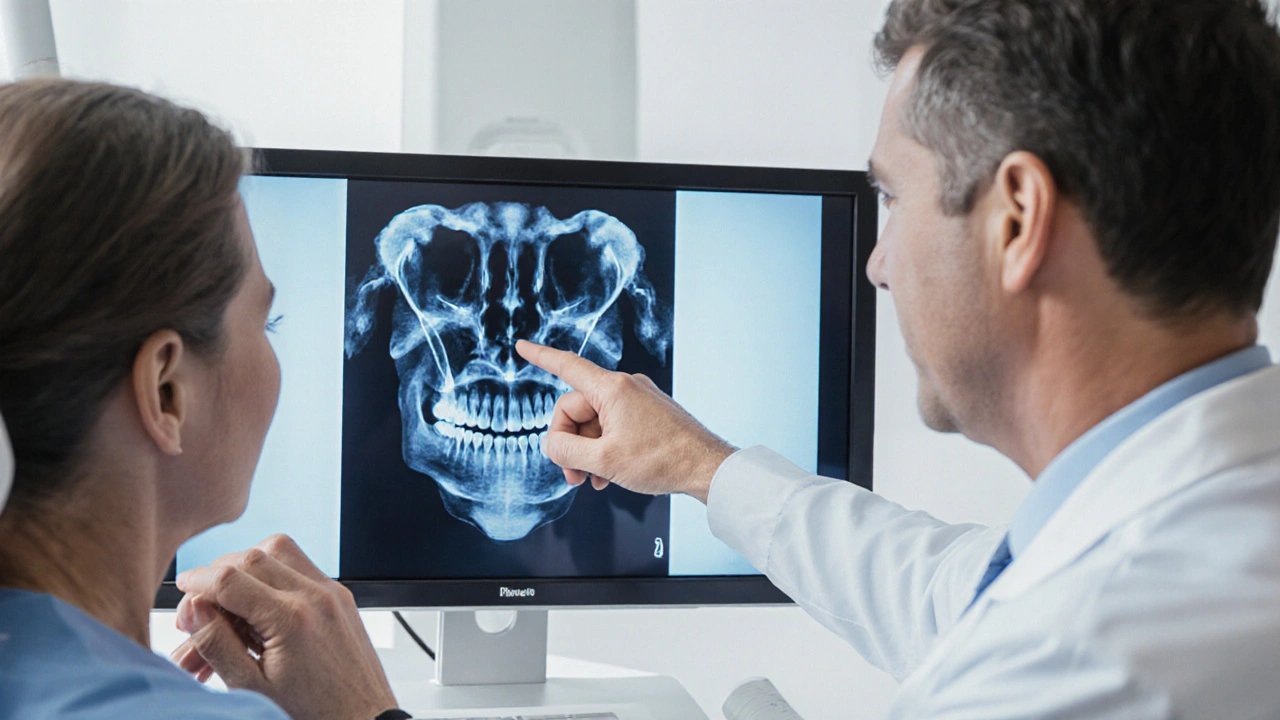
Rekonstrukce chrupu obnoví funkci a estetiku vašich zubů po ztrátě nebo poškození. Zjistěte, jak probíhá celý proces od diagnostiky po trvalé výsledky, jaké metody existují a jak na to připravit.
Přečtěte si podrobnosti