Bělení zubů Praha: Co musíte vědět před a po ošetření
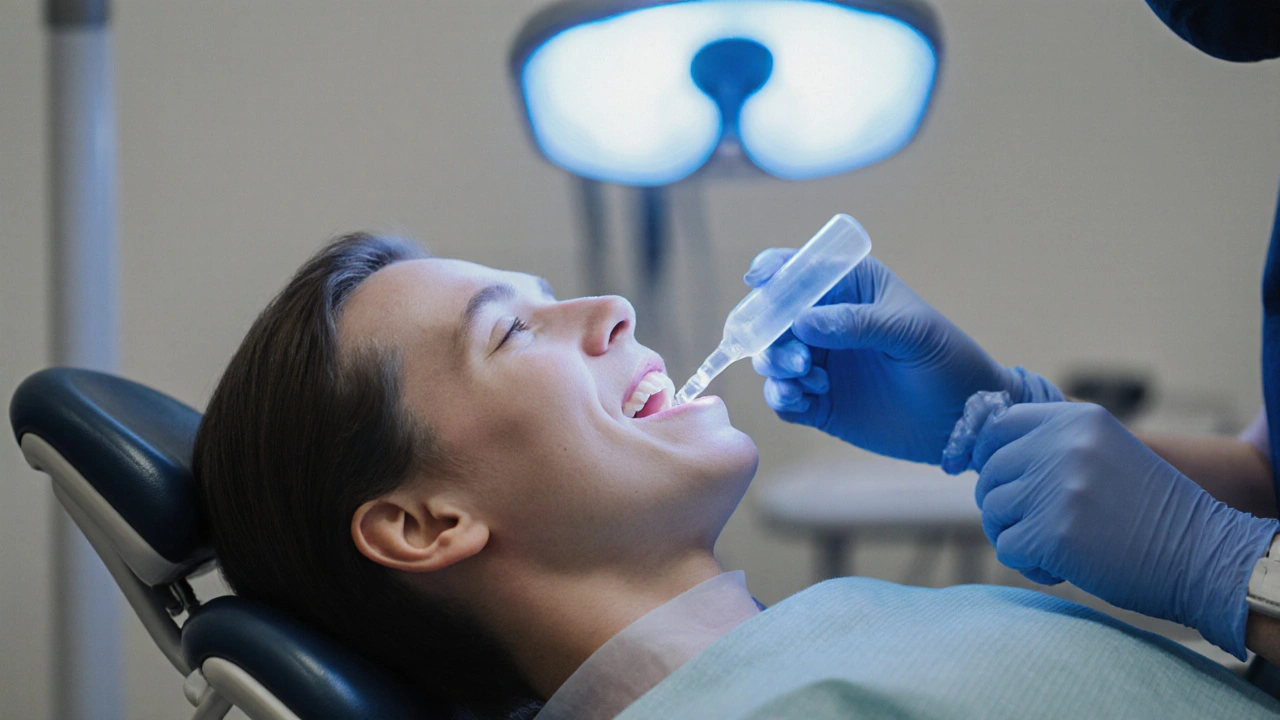
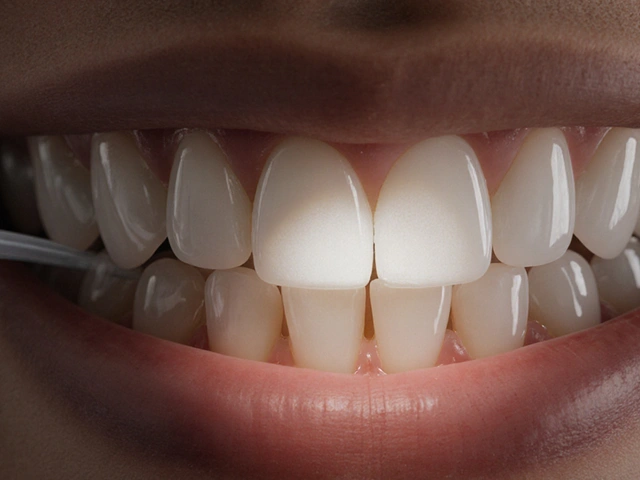
When you think about bělení zubů, proces, který odstraňuje povrchové a hluboké skvrny z kmenů zubů a vrací jim přirozenou bílou barvu. Also known as zubní bělení, it is one of the most requested esthetic dental treatments in Prague, especially among adults who want a brighter smile without braces or crowns. But bělení zubů isn’t just about applying a gel—it’s about understanding what affects the result, how long it lasts, and what you must avoid afterward.
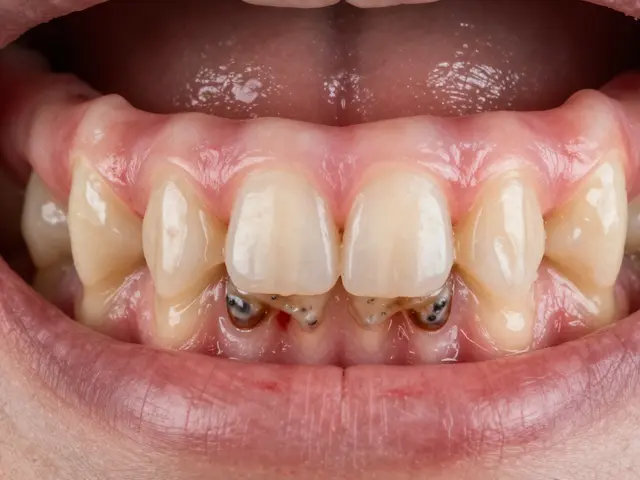
Many people don’t realize that zubní plak, ten tenký film bakterií, který se na zubech tvoří každý den can block the whitening agent from working properly. If you have heavy plaque or zubní kámen, tvrdý nános, který vzniká z plaku a se zuby nesmíte čistit kartáčkem, your whitening results will be patchy. That’s why most clinics in Prague start with a professional cleaning before whitening. It’s not an extra cost—it’s a necessity. And if you’ve been drinking coffee, red wine, or cola daily, you’ll need to adjust your habits after the treatment. The first 48 hours are critical: dark foods and drinks can stain your teeth faster than you think.
There’s also a big difference between in-clinic whitening and at-home kits. In Prague, clinics offer stronger gels and custom trays that fit your mouth perfectly. Over-the-counter strips often don’t cover all teeth and can irritate gums. And while some ads promise results in one day, the truth is: lasting brightness takes time and care. The best results last 1–3 years, depending on your diet and hygiene. If you smoke or drink dark beverages often, you might need a touch-up every 6–12 months.
What you eat after bělení zubů matters more than most people think. Avoid coffee, tea, red wine, soy sauce, berries, and even tomato sauce for at least two days. Stick to white or light-colored foods: yogurt, chicken, rice, bananas, eggs, and milk. Drink water or white tea. Use a straw if you must drink something dark. And don’t forget to brush gently with a soft brush—your teeth are more sensitive right after whitening.
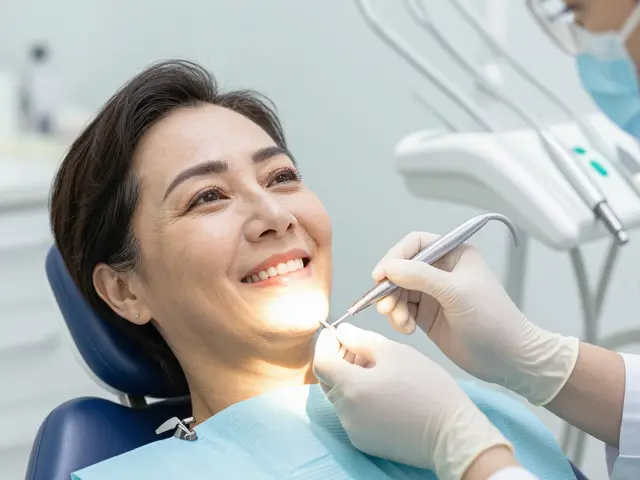
And yes, bělení zubů is safe when done correctly. But it’s not for everyone. If you have cavities, gum disease, or sensitive teeth, you need treatment first. Some people feel temporary sensitivity—this is normal and usually fades in a day or two. Your dentist in Prague will check your teeth before starting and recommend the best method for you.
Below you’ll find real advice from people who’ve been through it: what worked, what didn’t, and how to avoid the most common mistakes. Whether you’re thinking about whitening or just had it done, these posts will help you get the most out of your smile.